
Designing a Live Service Platform: From Founder-Led Classes to Scalable Digital Infrastructure
How I transformed an ongoing yoga practice into a structured service system — improving clarity, reducing operational friction, enabling SEO growth, and preparing the foundation for expansion.
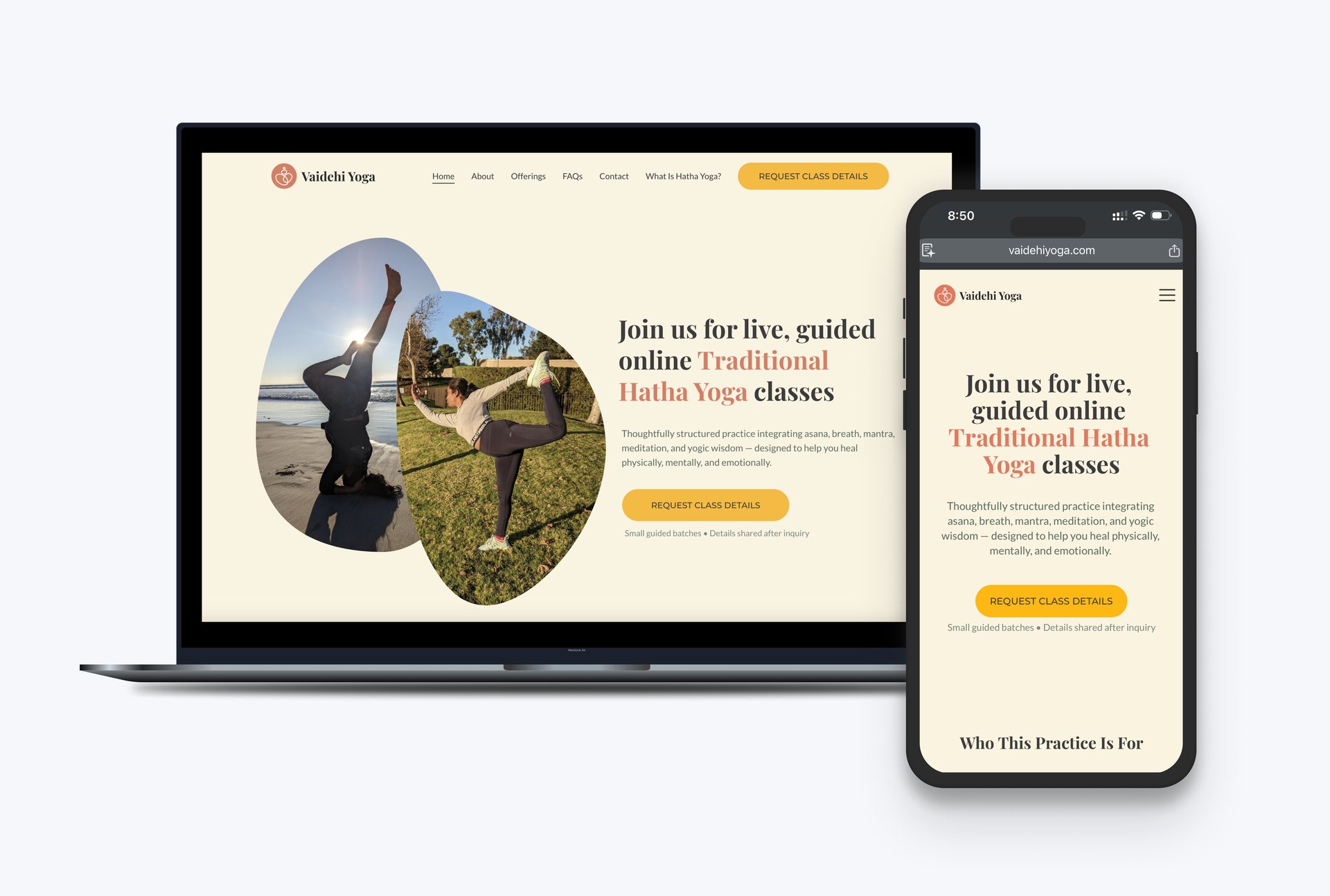
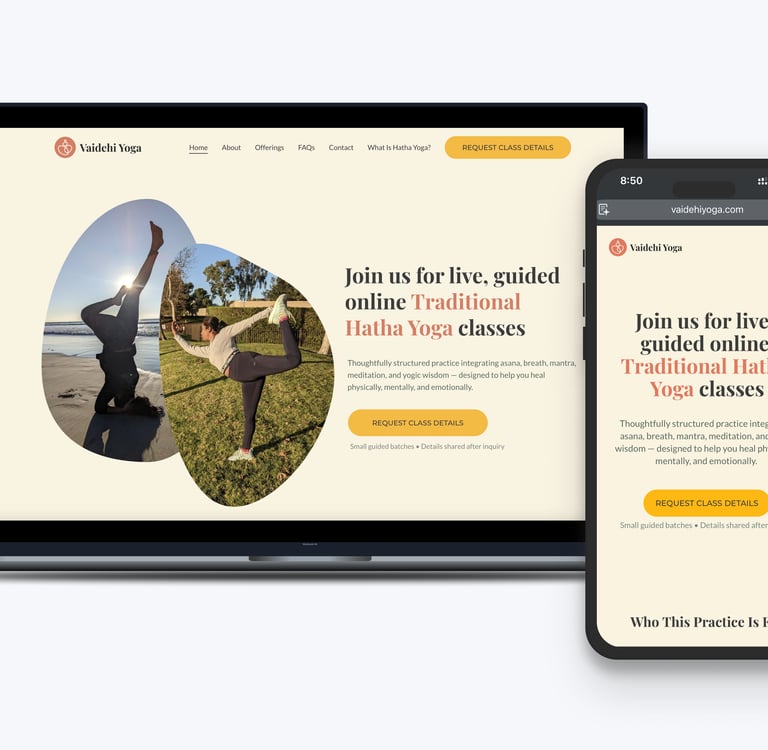
Role: Founder · Product Strategist · UX Designer · UX Architecture · Service Design · AI Workflow Integration
Scope: 0 → 1 Product Strategy
Status: Live (vaidehiyoga.com)
Users: Active students + Inbound leads
AI Usage: Content & operational workflow augmentation
How I Think & Design
Systems Thinking
I design beyond individual screens — considering scalability, component reuse, governance, and long-term maintainability across products.
Service Design
I consider the full lifecycle — onboarding, communication, support, and operational workflows — ensuring the experience extends beyond the interface.
AI-Augmented Workflow
I integrate AI tools strategically in research synthesis, ideation, and content systems — accelerating iteration while keeping decision-making human-centered
Business & Product Alignment
With an MBA background, I connect UX decisions to measurable business outcomes, operational efficiency, and product growth.





Validated Service. Unscalable System.
Before digital intervention, the live yoga service had strong retention but relied entirely on manual onboarding and informal communication channels.

15-20 Active Students

2 Live Batches

5–6 Month Retention

$750–1000 Monthly Revenue
The product worked. The system didn’t scale.
The Product Problem
Manual Onboarding Bottleneck
Each inquiry required repetitive explanations across WhatsApp, flyers, Google Forms, and payment screenshots.
Expectation Misalignment
Users expecting fast fitness results dropped off when they encountered structured, philosophical Hatha Yoga.
Growth Constrained by Bandwidth
Retention was strong — but scaling required reducing explanation friction and strengthening digital credibility.


Vaidehi Yoga began as live, community-driven classes. Growth happened organically through referrals. As interest increased, operational challenges surfaced:
The system relied entirely on conversation — not infrastructure. The opportunity was to design a digital layer that would:
Clarify offerings
Align expectations
Reduce repetitive explanations
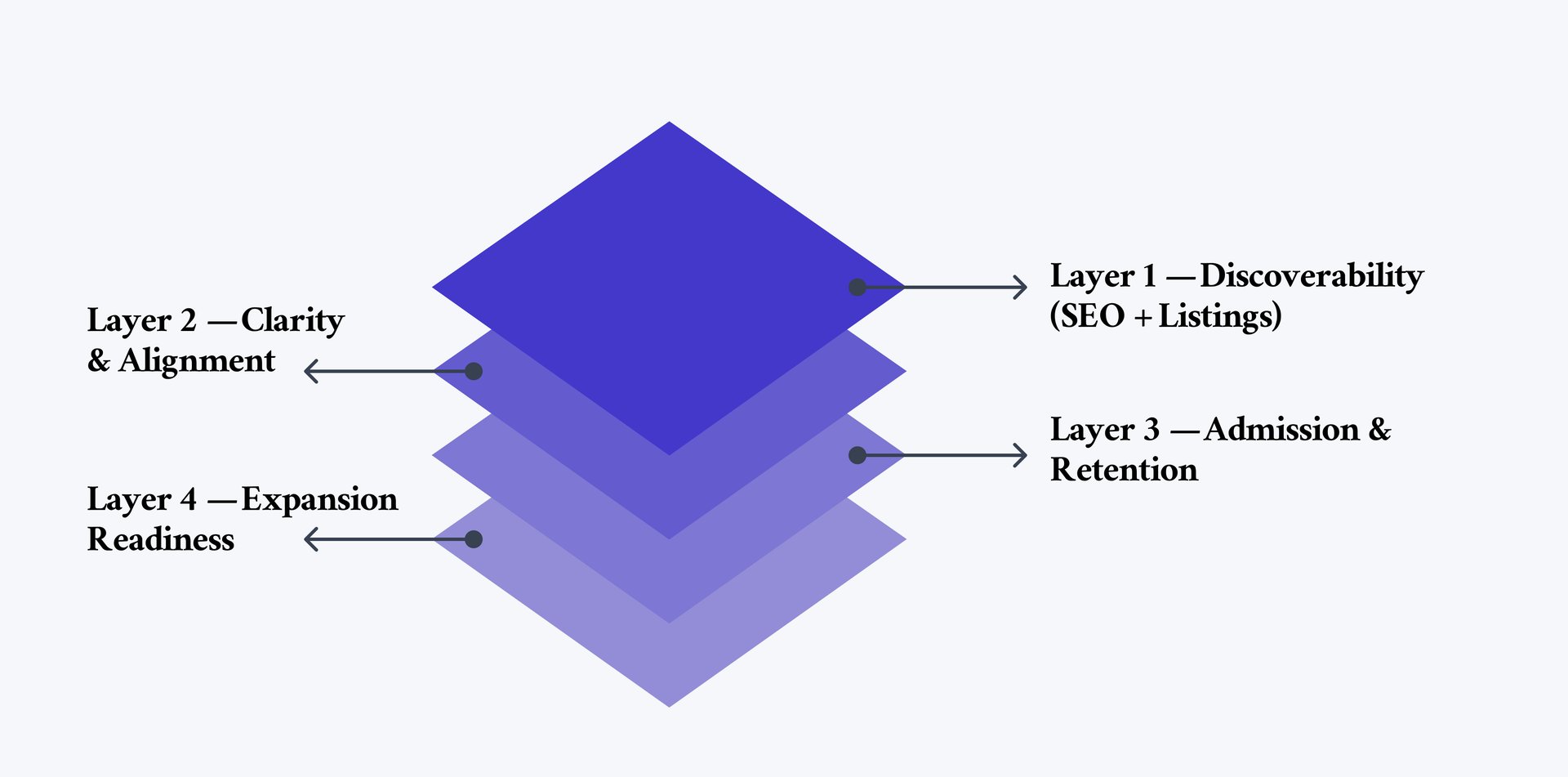
Increase discoverability through SEO
Build credibility and trust
Support future service expansion
This was not a branding project. It was service design.
Reframing a Website as Service Infrastructure
Instead of building a promotional website, I framed this as:
How might we design a clarity-first digital system that filters, aligns, and prepares students before they ever inquire?
The website needed to function as:
• Marketing engine
• Expectation alignment tool
• Trust-building platform
• Operational support system
• SEO discovery channel
• Foundation for expansion
This required thinking beyond pages — and into flows.
Designing the Alignment Funnel

Pre-Website
Phase 1: Intentional Hybrid Model (Live)

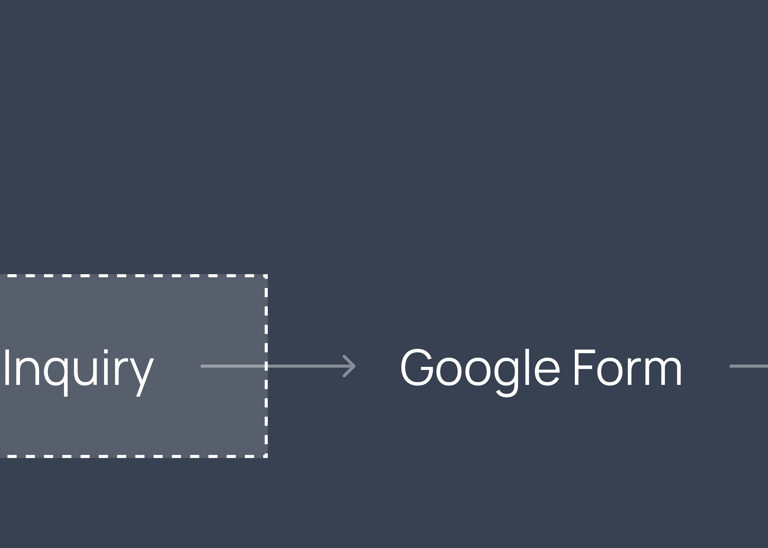
Phase 2: Planned Scalable Admission System (Future State)

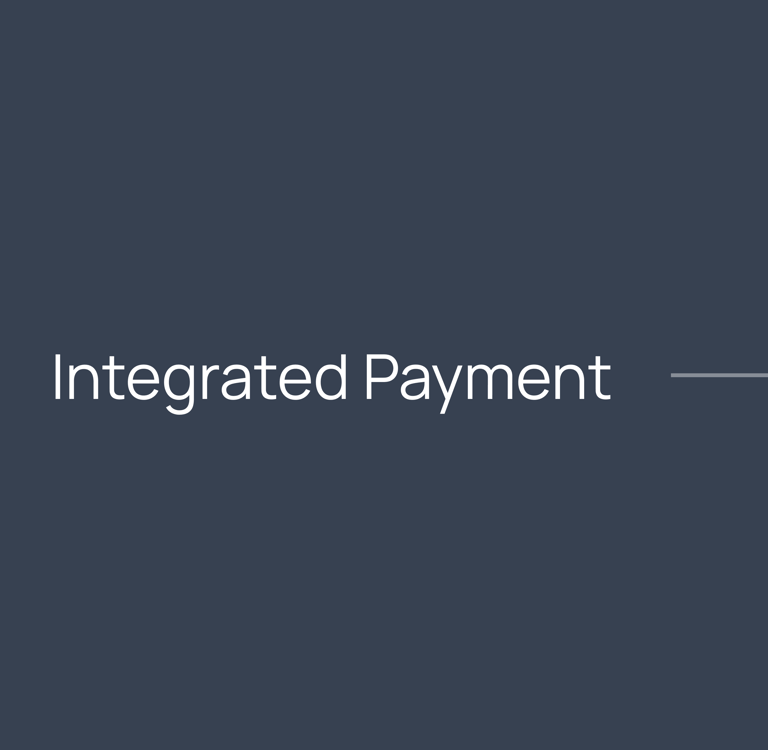
Why Automation Was Not Implemented Immediately
Although direct website admissions are planned, early-stage automation was intentionally delayed to preserve high-trust, founder-led onboarding.
At this stage:
• Manual confirmation reinforces seriousness and commitment
• Controlled intake prevents misaligned volume
• Personal admission preserves intimacy
• Retention remains the primary KPI over acquisition speed
Automation will be layered gradually as volume increases and alignment mechanisms mature.
This demonstrates phased scalability planning rather than premature optimization.
AI as Workflow Augmentation — Not Product Automation
AI is not embedded into the website experience. Instead, it supports:
Content Creation
• Structured copywriting
• SEO-optimized descriptions
• Clear articulation of offerings
Operational Support
• Onboarding message templates
• Class communication drafts
• Meditation/Yoga Nidra scripts
Design Iteration
• Rapid idea exploration
• IA structuring support
• Content refinement

AI accelerated thinking and iteration — but final decisions remained human-led. This demonstrates practical AI adoption in service workflows rather than superficial integration.
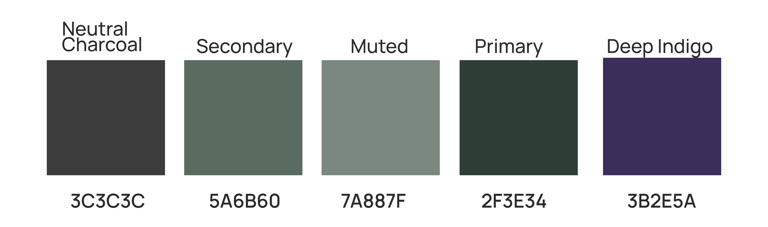
UI Reflects the Pedagogy
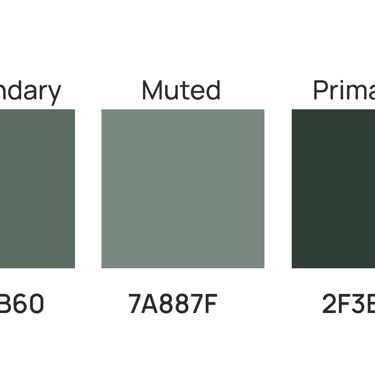
Color System Display
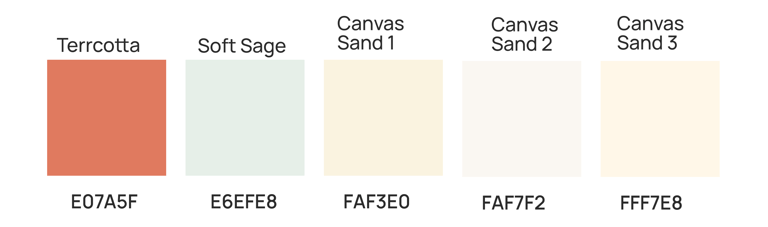
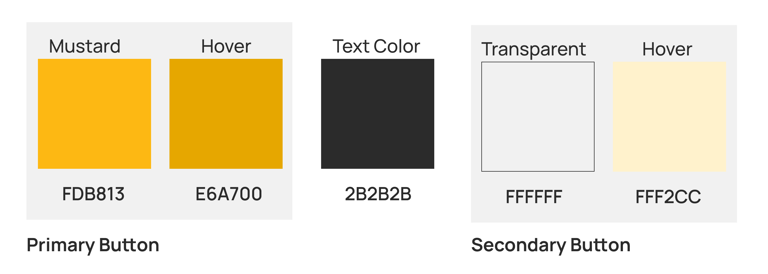
TEXT
BUTTON
OTHER
Typography
HEADING
Playfair Display (serif)
Playfair Display (serif)
Playfair Display (serif)
Lato (sans-serif)
Lato (sans-serif)
Lato (sans-serif)
BODY
Lato (sans-serif)
Lato (sans-serif)
Lato (sans-serif)
Lato (sans-serif)
BRAND LOGO
UI DECISION
• Single primary CTA
• Minimal animations
• Linear scroll hierarchy
• No urgency messaging
• Testimonials before final CTA

Impact
The website now functions as:
• First touchpoint for new students
• Expectation alignment system
• SEO discovery channel
• Listing authority source
• Operational support layer
• Scalable infrastructure base
Students now arrive more informed.
Operational friction has reduced significantly.
The system supports both growth and trust.

Reduced repetitive explanations

More aligned inquiries

Stronger credibility

Improved discoverability

Foundation for expansion
Future-Ready Infrastructure
Phase 1 - Trust System (Live)
• Trust Website
• Manual Enrollment
Phase 2 — Payment Integration + Direct Registration
• Website-based admissions
• Payment gateway integration
• Automated confirmations •Structured onboarding system
Phase 3 — Community Expansion
• Service expansion to larger audience segments
• Potential community dashboard